Ultra-Luxury Sky Residences: What to Look For in a Hyderabad High-Rise
Corner units, ceiling heights, sky clubs, lifts, parking and engineering — the details that separate a genuine ultra-luxury high-rise from a tall building with a premium price tag.
As Hyderabad builds taller, “luxury” has become one of the most over-used words in its property listings. Yet there is a real and widening gap between a tall tower with marble in the lobby and a genuine ultra-luxury sky residence. Knowing the difference protects both your lifestyle and your money.
Here is the checklist we use with clients evaluating premium high-rises.
1. The layout: corners, light and cross-ventilation
The single biggest tell is how many homes share a floor. Four-per-floor (or fewer), with every residence as a corner unit, means more natural light, cross-ventilation, privacy and longer views. Pair that with wrap-around or 270° balconies and you get a home that feels like a private vantage point, not a slot in a slab.
2. Ceiling height and proportions
Ceiling height is luxury you feel before you can name it. Most modern apartments are approximately 3 metres floor-to-floor, while premium developments often range higher — and sky villas and penthouses frequently go double-height. Taller ceilings, wider living spans and generous balconies are what make a large carpet area actually feel large.
Square footage tells you the size of a home. Ceiling height, frontage and balconies tell you how it will feel to live in.
3. The clubhouse — and where it sits
Amenity space is now measured in lakhs of square feet, but placement matters as much as size. A rooftop or sky-level clubhouse — infinity pool, observatory, lounges, and at some landmark projects even a helipad — turns the building’s best real estate (its crown) into shared luxury. Look for a clear split between active and quiet zones, and amenities reserved exclusively for residents.
4. Vertical transport: lifts you never wait for
In a tall tower, lifts are infrastructure, not a footnote. Ask about the count and split — passenger, service and fire lifts — and the homes-per-core ratio. High-speed lifts and a low number of families per lift are what keep a 60-floor building from feeling like a daily queue.
5. Parking, EV and arrival
Ultra-luxury buyers usually own multiple cars, so count the parks per home, not just the total. Check for an automated/stack (vault) parking system if the podium is dense, EV charging provision at every bay, clearly separated visitor parking, and a concierge-managed arrival experience.
6. Specifications that age well
- Structure: RCC shear-wall cores and aluminium-formwork (Mivan) construction for strength and finish at height.
- Glazing: double-glazed (DGU) / toughened, sound-insulated glass — vital on high, windy floors.
- Finishes: imported marble and engineered-wood flooring, not just “vitrified everywhere”.
- Smart and safe: biometric locks, video doorbells, app-based building management, 100% DG backup, full CCTV and fire systems, reticulated gas.
7. Engineering for height — and the brand behind it
A 700-foot tower is an engineering project before it is a luxury one: wind and seismic design, façade engineering and quality lifts are non-negotiable. Equally, a credible developer and clean RERA registration are what protect your timeline, your specifications and your resale value. Always verify the project on the RERA portal before booking.
Why ultra-luxury properties tend to retain value better
A well-chosen ultra-luxury residence is not only a better place to live — it usually defends its value more resiliently than mainstream stock. Several structural reasons sit behind that:
- Limited supply: genuine sky residences are released in small numbers — a few hundred homes, not a few thousand — so the resale market is never flooded.
- Scarcity of premium land: large, well-located parcels with the right views and approvals are finite, and that scarcity is effectively priced into the asset.
- A smaller but stronger buyer pool: the audience is narrower, but its purchasing power is far higher and less sensitive to interest-rate or sentiment swings.
- Higher construction quality: better structure, glazing, finishes and engineering age more gracefully, so the home stays desirable years after handover.
- Better resale positioning: rarity, address and specification together give the next owner a clear story — which supports both price and liquidity.
- Deep end-demand: HNIs, NRIs and business owners consistently seek trophy homes in marquee towers, keeping a steady bid under the segment.
None of this guarantees appreciation — location, developer and entry price still decide outcomes — but it does explain why the best ultra-luxury homes tend to hold and compound value more dependably than the broader market.
The takeaway
True ultra-luxury is a stack of deliberate choices — fewer homes, more light, taller ceilings, a sky-level life and engineering you can trust — not a single headline amenity. Use the checklist above to separate the genuinely rare from the merely expensive. When you are ready to compare specific towers floor-by-floor, our advisors can give you an unbiased read.
Recommended For You
Best Match
Skyven Gandipet
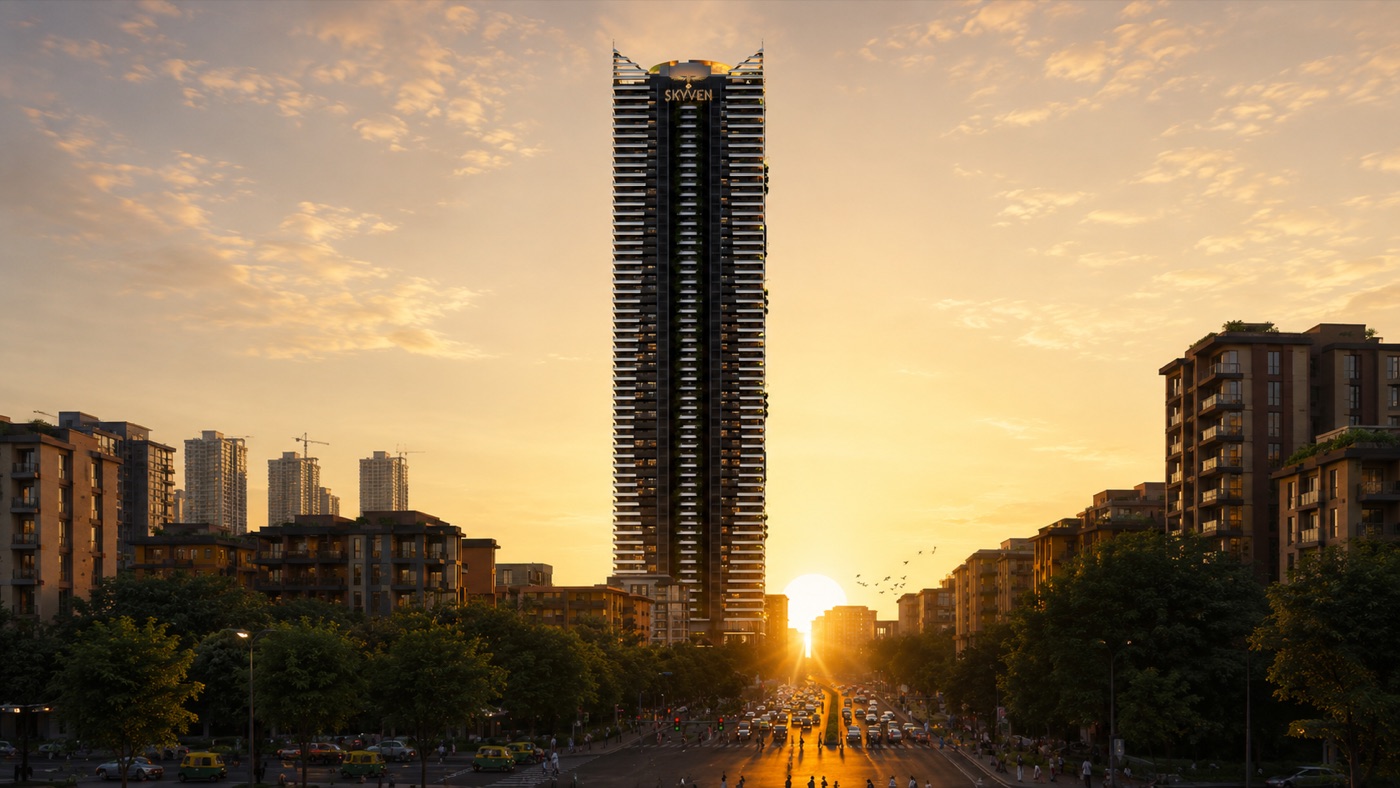
A 63-floor, 755 ft single-tower address of just 210 residences off the ORR — the Gandipet belt's clearest ultra-luxury benchmark for connectivity and view permanence.
View ProjectAlso Consider
Imperial Residences at Brigade Gateway
A 9.7-acre integrated Brigade township at Neopolis, Kokapet — ultra-luxury sky residences and duplexes sharing their gates with a World Trade Center, an InterContinental hotel and the Orion Mall.
View ProjectPlanning a premium purchase in Hyderabad?
Get an honest, project-by-project read from a REALOS advisor — including availability and pricing shared privately.